Measurement microphones: what to buy, and where

Perfect Soup measures your room from 30 to 100 positions, and every one of those measurements arrives through the microphone. These are the three we recommend — one for value, one for the reference tier, and one for systems with no XLR input — with live prices from the dealers that publish them.

Our picks

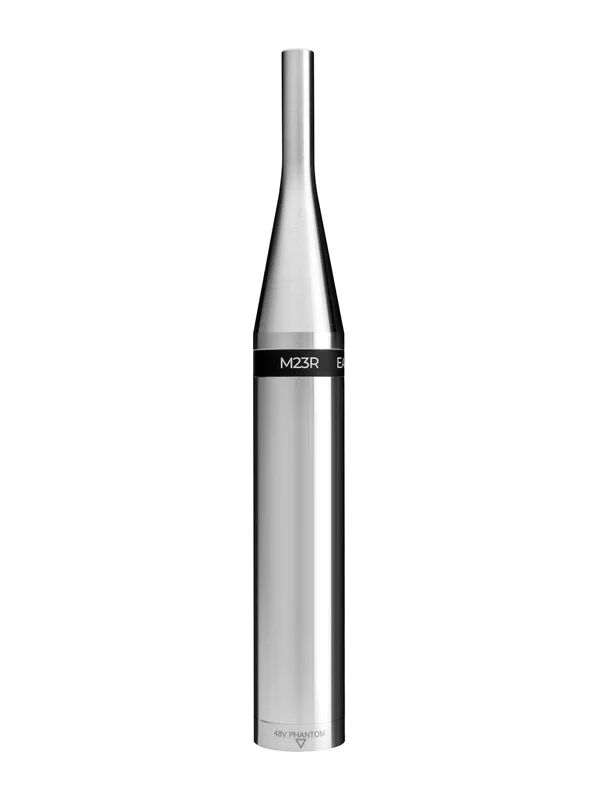
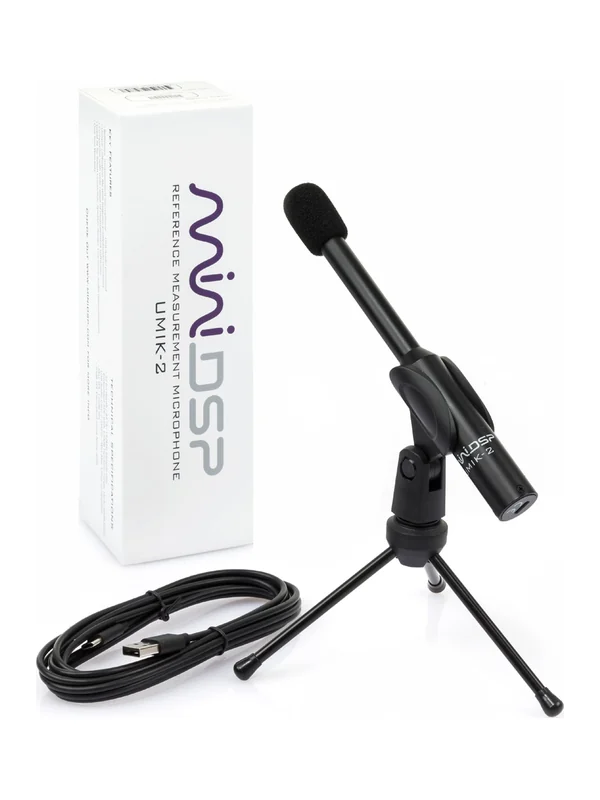
The beyerdynamic MM 1 is the one to buy if you are calibrating your own room and want to spend once. Step up to the Earthworks M23R if you measure other people’s rooms, need mics that match each other, or want a calibration file traceable to the individual unit. If your system has no XLR input at all, the miniDSP UMIK-2 is USB and needs no interface — read the note below before you buy one.

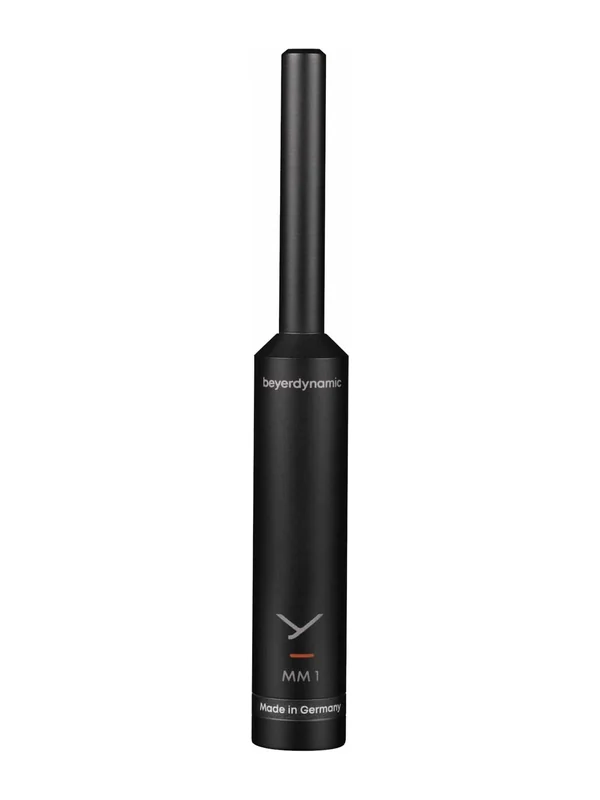
beyerdynamic MM 1

The value pick. Omnidirectional, ±1.5 dB from 50 Hz to 16 kHz, ships with an individual frequency-response sheet. Needs an interface with phantom power.

Where to buy

Prices are checked once a day and shown with the date we read them; they exclude tax and shipping, and the dealer’s own page is always right if the two disagree. Many retailers don’t publish a machine-readable price, so those simply link through. We may earn a commission from some of these links, at no cost to you — it never affects which gear we recommend.

Before you buy a USB mic

The wizard currently needs the microphone input and the speaker outputs on a single audio device. On macOS that is solved today — an Aggregate Device in Audio MIDI Setup combines a USB mic with your output and the wizard sees one device. On Windows it means a full-duplex ASIO interface, so a USB mic paired with separate speaker outputs is not supported yet; two-device support is coming in the next Calibration Wizard update. If you are on Windows today, choose one of the XLR mics — they need an interface supplying 48 V phantom power, and the supported combinations are listed in the FAQ.

Other odd bits

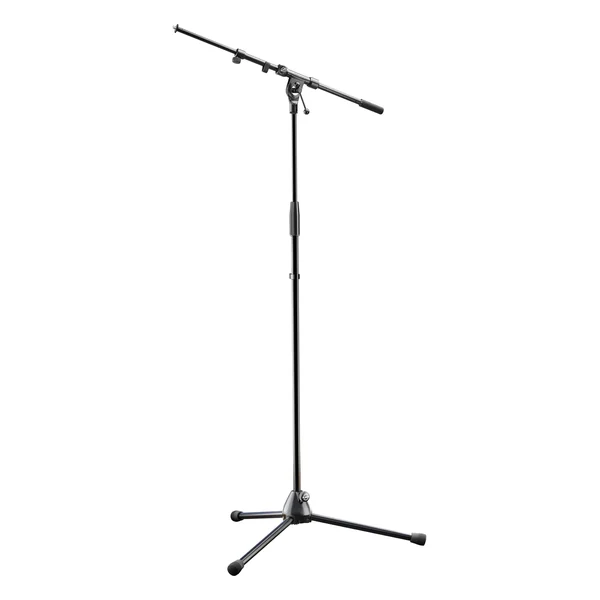
A microphone stand

You will move the mic to somewhere between 30 and 100 positions, each one at ear height and clear of desks, chair backs and anything else that reflects. A boom on a tripod base reaches over a console and repositions in seconds; a straight stand does neither.

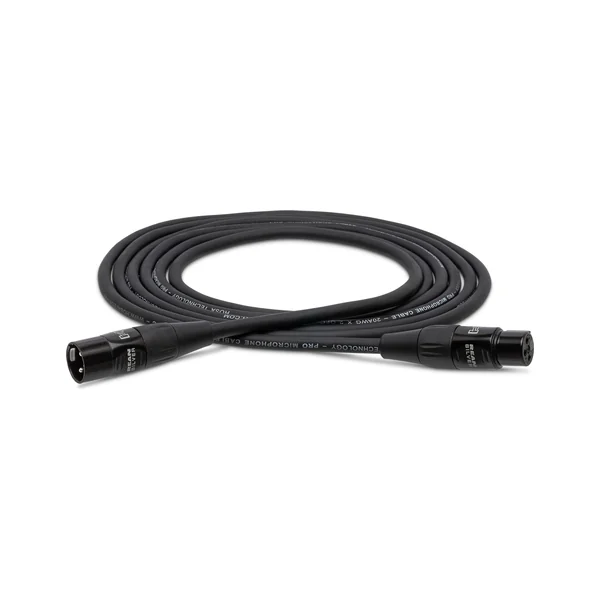
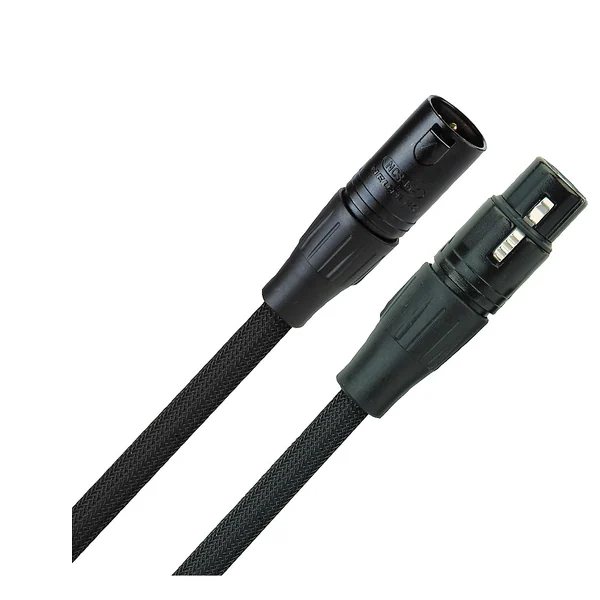
A microphone cable

Long enough to reach every position from wherever the interface lives — 25 ft / 7.5 m is the length to buy, and a balanced XLR run that long costs you nothing. Worth knowing before you spend: any properly made balanced cable measures the same. What the money buys further up the range is connectors, strain relief and jacket — the parts that fail after a hundred repositionings, not the parts that change the numbers.

Once you have a mic

A microphone tells you what your room is doing. Correcting it is the other half: Perfect Soup measures every speaker and sub across your listening area and solves them together, rather than one channel at a time.